Hooded Eyes and Saggy Eyelids: Why They Happen and What You Can Do
Ever taken a selfie and thought: "Why do my eyes look tired when I am not even tired?" Welcome to the mysterious world of hooded eyes, droopy eyelids, and saggy upper lids.

The good news? Hooded eyes are extremely common. For some people, they are genetic. For others, they appear more with age. And for a few people, droopy eyelids can even affect vision.
The trick is figuring out what kind of eyelid issue you actually have, because hooded eyes and droopy eyelids are not always the same thing.
Camera Height Helps
Eye-level or slightly-above photos can make the eyes look more open.
Calm Puffiness
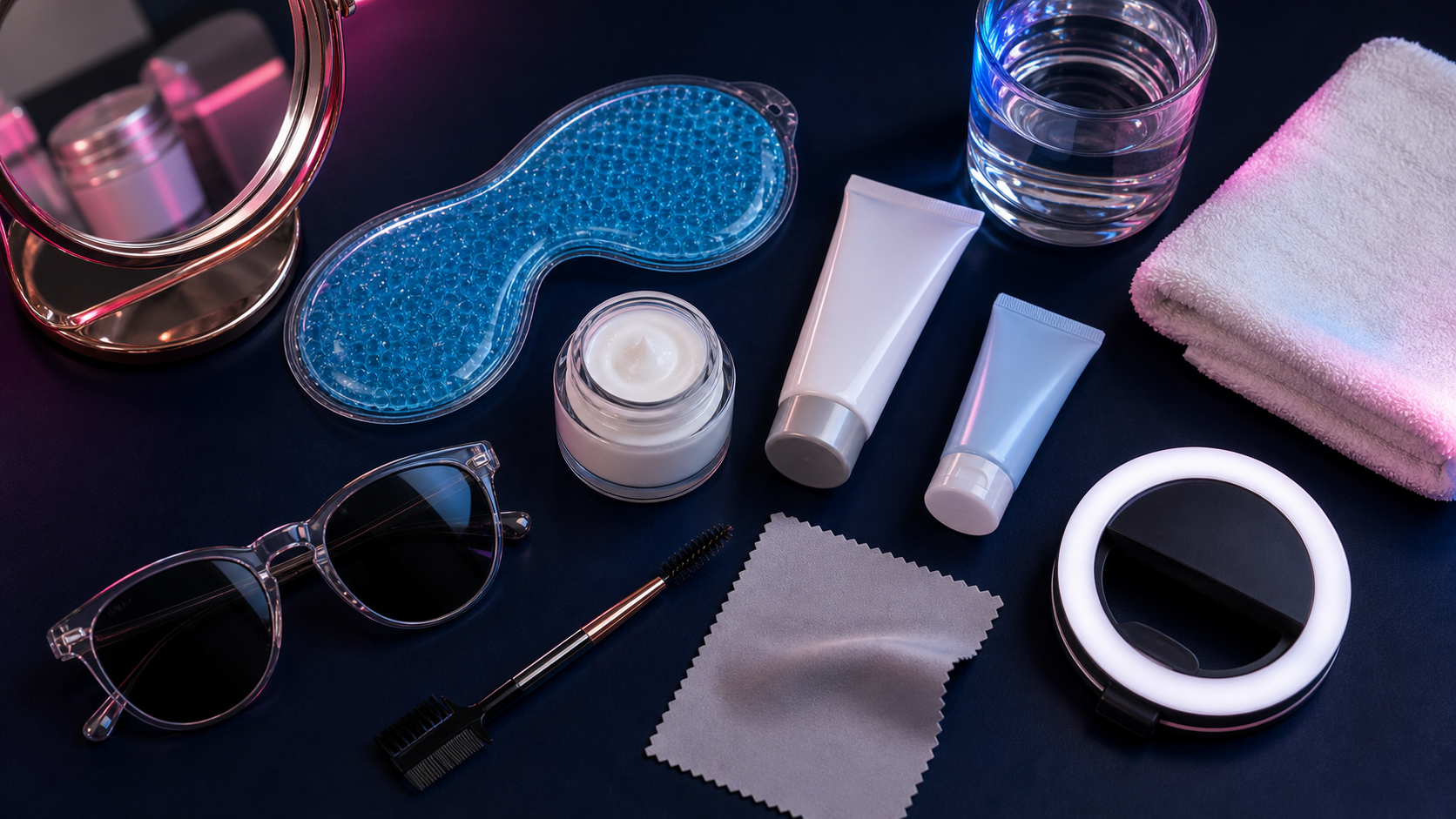
A cool eye mask can make heaviness look less obvious before photos.
Relax the Brow
A softer forehead and brow can stop hooded eyes looking extra heavy.
What Are Hooded Eyes?
Hooded eyes happen when extra skin folds down from the brow bone over the eyelid crease. This can make your visible eyelid space look smaller, especially when your eyes are open.
Some people are simply born with this eye shape. Think of it as your face's natural architecture. No problem, no emergency, no drama.
But if the eyelid skin becomes heavier over time, it can make the eyes look more tired, older, or less open in photos. The NHS describes eyelid surgery, also called blepharoplasty, as surgery that removes excess skin or fat from the eyelids and changes the look of hooded or drooping eyelids.
Hooded Eyes vs Droopy Eyelids
Here is the simple version.
Hooded eyes usually mean extra skin is hanging over the eyelid crease. Droopy eyelid, also called ptosis, means the upper eyelid itself sits lower than normal and may cover part of the eye. Cleveland Clinic explains that ptosis happens when the upper eyelid droops over the eye, and it can affect one or both eyes.
This is why a proper consultation matters. A selfie cannot always tell you which one is happening.
What Causes Hooded or Saggy Eyelids?
1. Genetics
Some people are born with hooded eyes. If your parents, grandparents, or siblings have similar eyelids, congratulations: your face came with family branding.
2. Aging
As skin loses elasticity, the upper eyelid area can start to sag. NCBI Bookshelf notes that eyelid skin loses elasticity with age, which can make upper eyelid folds heavier over time.
3. Sun damage and skin changes
The eye area has delicate skin. Years of sun exposure, rubbing, and normal skin changes can make the area look looser.
4. Brow position
Sometimes the eyelid is not the only issue. A low brow can push skin downward and make the eyelids look heavier.
5. Ptosis
If the eyelid muscle weakens or stretches, the eyelid itself can droop. Cleveland Clinic notes that ptosis can happen for several reasons, including aging, injury, nerve issues, or other medical conditions.
Can You Fix Hooded Eyes Without Surgery?
Sometimes you can improve the look temporarily, but it depends on the cause.
If the issue is mild, people may try:
Cleveland Clinic notes that some adults with acquired ptosis may be candidates for prescription eye drops called oxymetazoline, but the drops do not work for every type of ptosis and need to be used daily to keep working.
Non-surgical options are usually better for mild cases or temporary improvement. If there is a lot of extra skin or vision is blocked, they may not be enough.
Common Treatment Options
Eyelid Makeup Tricks
This is the easiest starting point. For hooded eyes, makeup artists often use higher crease placement, matte contour shades above the natural crease, thin eyeliner, lifted outer-corner shadow, curled lashes, and brightening near the inner corner.
This will not remove skin, but it can make the eyes look more open in photos.
Botox Brow Lift
If a low brow or muscle pull is making the eyes look heavy, a Botox-style brow lift may help slightly lift the brow area. Results are temporary and subtle.
Skin Tightening Treatments
Some clinics offer laser, radiofrequency, or plasma-style treatments for mild skin laxity. Results vary, and they are not the same as surgery.
Think small refresh, not new eyelid unlocked.
Blepharoplasty
This is the big one people search for. Blepharoplasty, or eyelid lift surgery, removes excess eyelid skin, muscle, or fat. Mayo Clinic explains that during blepharoplasty, a surgeon trims sagging skin and muscle and removes excess fat through eyelid creases.
Ptosis Surgery
If the eyelid itself is drooping because the lifting muscle is weak or stretched, ptosis repair may be needed instead of, or alongside, blepharoplasty. AAPOS explains that ptosis surgery depends on how well the eyelid muscle works and may involve shortening or tightening the levator muscle.
When Should You See a Doctor?
If your eyelids have always looked hooded, it may just be your natural eye shape. But get medical advice if:
Sudden changes are not the time for beauty hacks. That is please-get-checked territory.
Photo Tips for Hooded Eyes
Before you panic-book anything, try better photo technique.
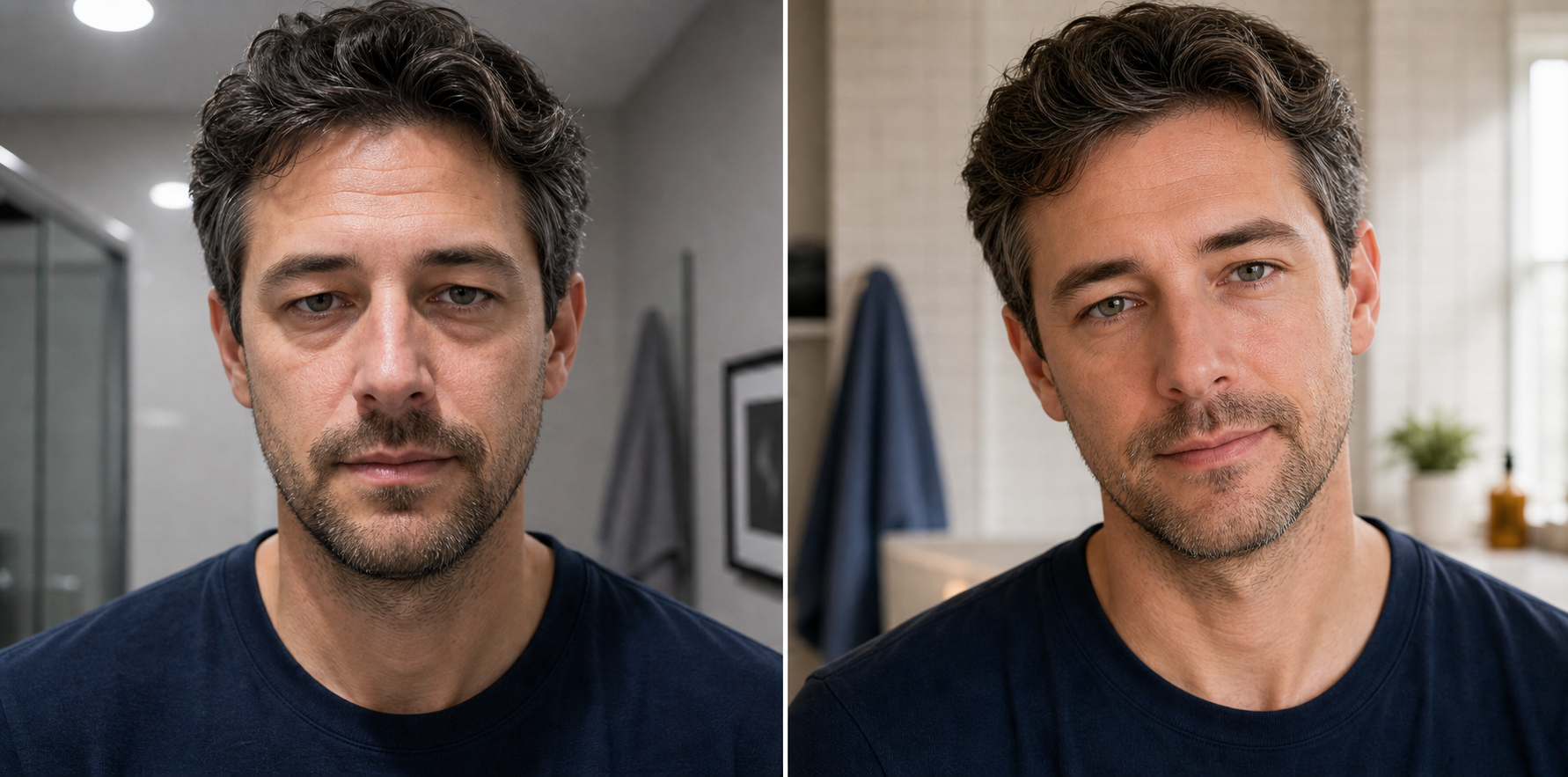
Half the internet's bad selfie problem is actually pocket dust.
Final Takeaway
Hooded eyes and saggy eyelids are common. Sometimes they are genetic. Sometimes they come with age. Sometimes they are caused by eyelid muscle weakness, brow position, or extra skin.
If it is just your natural eye shape, you do not need to fix anything.
If it bothers you in photos, makeup and styling can help. If it affects your vision or feels heavy, a professional can explain whether blepharoplasty, ptosis repair, or another treatment makes sense.
The goal is not to erase your face. The goal is to look rested, confident, and like the camera finally got your good side.