Protruding Ears: Why They Happen and How People Fix Them
Protruding ears are one of those features people often notice more in photos than in real life. You take a selfie, look at the side of your head, and suddenly think: "Have my ears always been trying to leave?" 👂
This guide is general information, not a diagnosis. If ear shape, injury, surgery, or treatment timing matters, speak with a qualified clinician.

First, let's be fair: ears that stick out are not bad. Lots of people have prominent ears, and they can look cute, unique, expressive, and full of personality.
But if your ears bother you in photos, make you avoid certain hairstyles, or have been a lifelong confidence issue, there are real options.
The trick is understanding why ears stick out in the first place.
Usually Harmless
Prominent ears normally affect appearance, not hearing. The concern is usually confidence, photos, and styling.
Timing Matters
Ear molding is mainly an early-baby option while cartilage is still soft.
Angles Help
Hair, lighting, and camera angle can change how noticeable ears look in photos.
What Are Protruding Ears?
Protruding ears, also called prominent ears, are ears that sit farther away from the side of the head than usual.
Children's Hospital of Philadelphia says ears that stick out more than 2 cm from the side of the head are considered prominent or protruding, and they usually do not cause functional problems such as hearing loss.
In normal-person language: your ears hear normally. They just have main-character energy.
What Causes Protruding Ears?
Protruding ears are usually about cartilage shape. Ear cartilage is the frame of the ear, and small differences in folds or depth can change how far the ear sits from the head.
1. Underdeveloped Antihelical Fold
The antihelical fold is the inner fold of cartilage that helps the ear curve back toward the head. If that fold is flatter or underdeveloped, the outer rim can stick out more. Translation: your ear fold did not fold enough. Very technical. Very annoying.
2. A Deep Concha
The concha is the bowl-shaped part of the ear near the ear canal. If this area is deep or pushes outward, it can push the whole ear away from the side of the head.
3. Genetics
Prominent ears often run in families. If your parent, grandparent, or sibling has ears that stick out, you may have inherited the alert-ear gene package.
4. Injury or Ear Shape Changes
Most prominent ears are present from birth, but ear shape can also change after injury, trauma, or previous surgery. A specialist can assess whether the concern is cartilage shape, asymmetry, size, or injury-related change.
Can You Fix Protruding Ears Without Surgery?
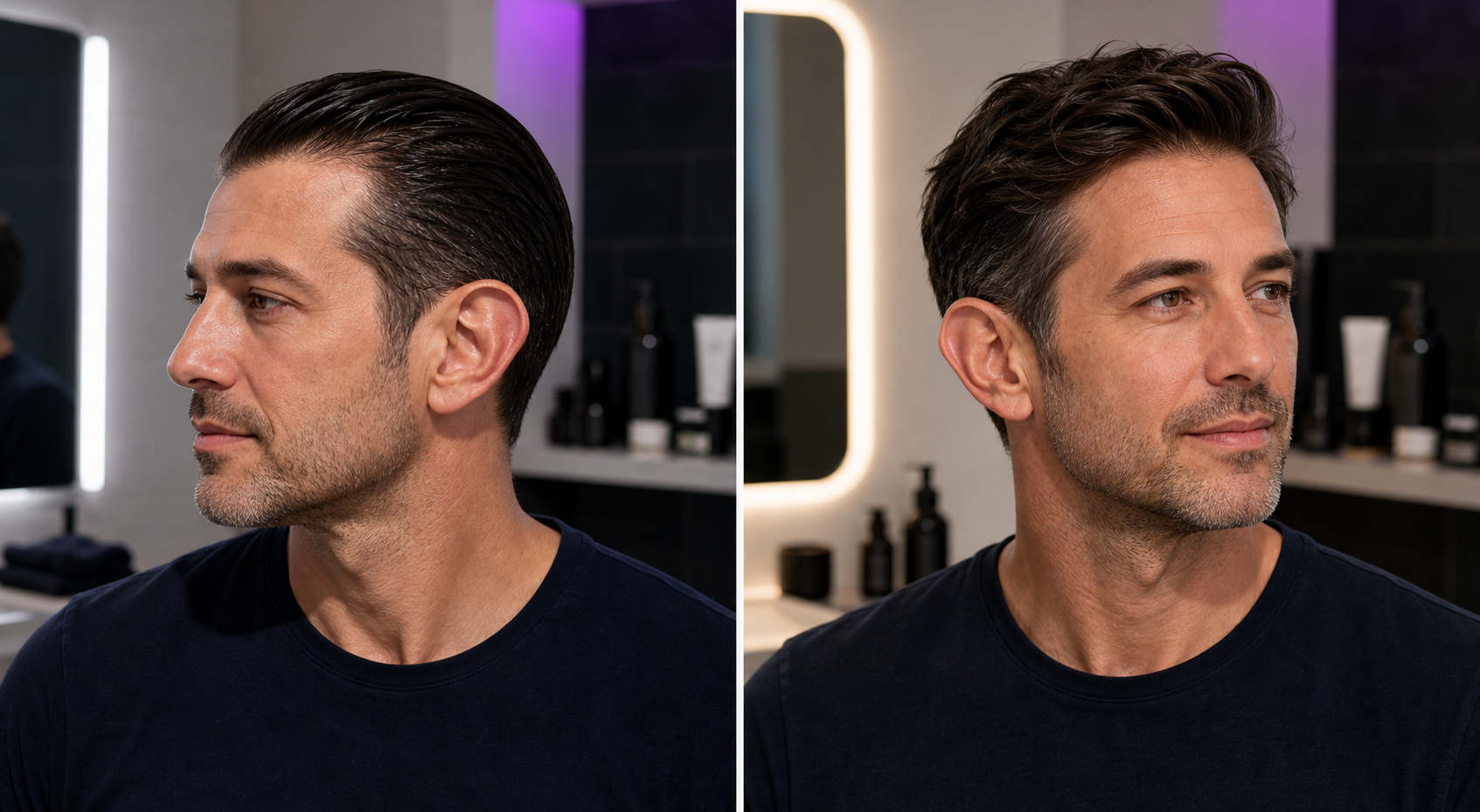
For adults and older children, usually not in a major permanent way. Hair, hats, angles, and styling tricks can make ears less noticeable, but lasting cartilage correction usually means changing the cartilage.
The big exception is ear molding for babies. The NHS says babies younger than 6 months may be able to use ear splints to correct ear shape because the cartilage is still soft. CHOP notes that ear molding works best in the first few weeks of life.
So if this is for a newborn, ask a doctor early. If this is for an adult selfie problem, internet ear splints probably are not going to remodel your ears by Friday.
Hair and Photo Tricks
Best for: Adults or teens with mild photo concerns.
Try softer hair volume around the ears, avoid very tight slicked-back styles if you feel self-conscious, use front-facing or three-quarter camera angles, and avoid harsh side lighting.
Ear Molding for Infants
Best for: Newborns or very young babies with prominent ears noticed early.
Ear molding uses gentle splints while infant cartilage is still soft. It is not a practical remodel-by-Friday option for adults or older children.
Otoplasty or Pinnaplasty
Best for: Older children, teens, or adults wanting a permanent correction.
Otoplasty can reshape or reposition cartilage so the ears sit closer to the head. It should be discussed with a qualified plastic surgeon or ENT surgeon.
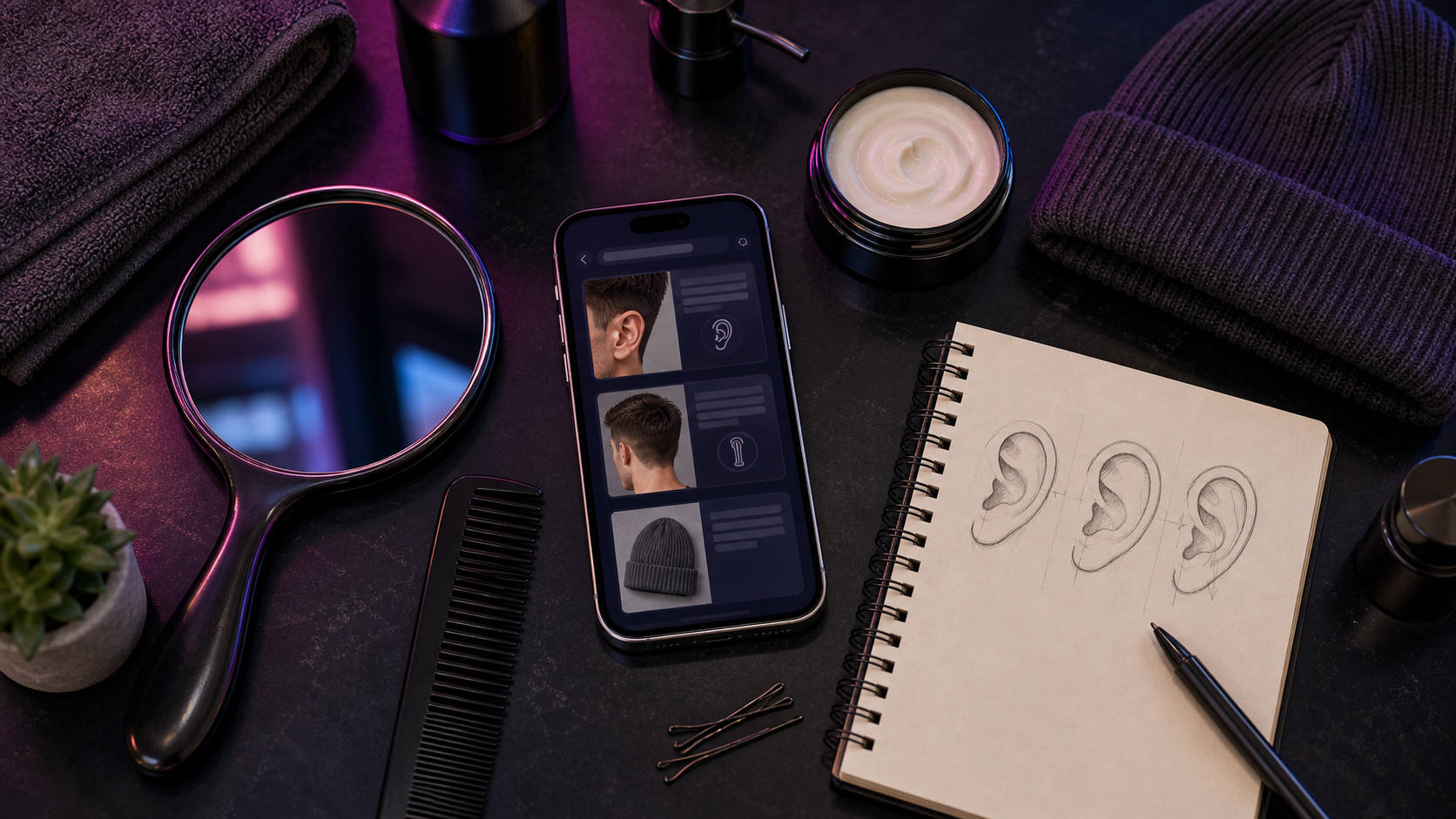
What Happens During Ear Pinning Surgery?
The exact technique depends on the ear shape. For prominent ears, surgeons may:
So no, they do not just glue your ears back. It is more like ear origami with medical qualifications.
When Can Children Have Otoplasty?
This depends on the child, surgeon, and situation. CHOP says otoplasty may be recommended for children above age 5, when they can manage dressings and activity limits and the ears are at or near full size.
Mayo Clinic says children can generally have otoplasty as early as 4 to 6 years old once ears have reached full size. The NHS says ear pinning is not suitable for children younger than 5 because their ears are still growing and developing.
In other words: not a toddler project. More of a school-age and medically assessed situation.
Is Otoplasty Risky?
Like all surgery, it has risks. That is why choosing a qualified surgeon matters.
Your ears are visible. This is not a discount-coupon-and-hope situation.
Quick Photo Tips for Ears That Stick Out
Before researching surgery, try a few simple photo changes:
Sometimes the ears are not as noticeable as you think. Sometimes your camera has just chosen betrayal.
Which Solution Is Best?
The best treatment depends on the shape of the ear and the cause of the protrusion.
Final Takeaway
Protruding ears are common, harmless, and often genetic. They usually happen because of ear cartilage shape, especially an underdeveloped antihelical fold or a deep concha that pushes the ear outward.
For babies, early ear molding may help. For older children, teens, and adults, the main permanent option is otoplasty, also called ear pinning or pinnaplasty.
But remember: your ears do not need to disappear for you to look good. They are part of your face, your style, and your character.
The goal is not to erase your features. The goal is to feel confident from every angle, even the side profile your phone keeps capturing without permission.